
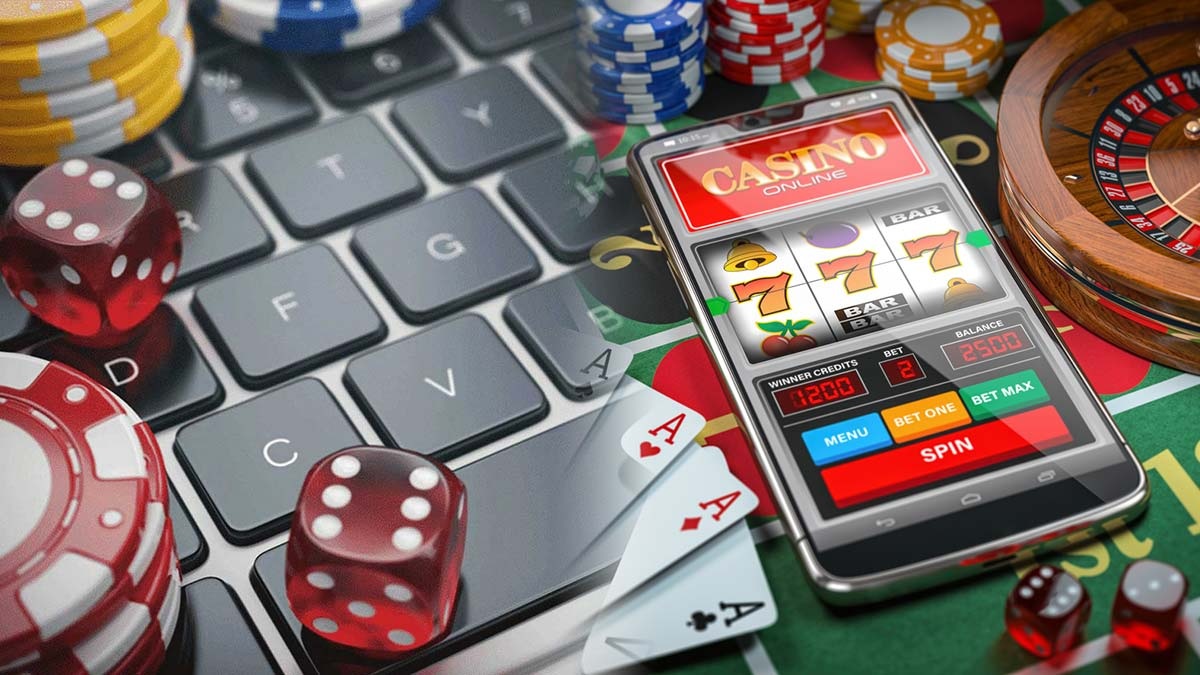
Gambling can quietly hijack reward circuits and heighten stress responses, increasing risk for anxiety and depression. Intermittent wins and heightened reward sensitivity promote repeated play despite losses, while avoidance coping prevents development of adaptive emotion regulation. Physiological arousal, sleep disruption, and shame-driven secrecy compound distress and impede help-seeking. Comorbidity with substance use and mood disorders raises suicide risk and complicates treatment. Evidence-based interventions exist for assessment, safety planning, and recovery 1bet2u, and further sections outline practical steps and therapies.

How Gambling Quietly Fuels Anxiety and Depression
Although often perceived as a recreational activity, gambling can precipitate and exacerbate anxiety and depressive symptoms through predictable psychological and physiological mechanisms. Research indicates that heightened reward sensitivity amplifies salience of wins, promoting repeated engagement despite mounting losses; this intermittent reinforcement dysregulates dopamine pathways, increasing vulnerability to mood instability. Concurrently, individuals may adopt avoidance coping—using gambling to escape negative affect—which prevents development of adaptive emotion-regulation skills and reinforces reliance on risky behaviors. Physiological stress responses (elevated cortisol, autonomic arousal) compound cognitive distortions, heightening anticipatory anxiety and rumination about losses. Clinically, these processes create a self-perpetuating circuit linking short-term relief to long-term symptom maintenance 1bet2u. Innovative interventions targeting reward processing and adaptive coping show promise for disrupting this trajectory.
Signs Someone’s Gambling Is Harming Their Mental Health
Recognize changes in mood, behavior, and functioning as potential indicators that gambling is adversely affecting mental health: increasing irritability, persistent low mood, heightened anxiety, sleep disruption, and marked withdrawal from previously valued activities or relationships commonly co-occur with escalating gambling problems. Clinicians and innovators should note patterns: abrupt mood swings tied to wins or losses, escalating preoccupation with betting, declining occupational performance, and impaired decision-making. Physiological signs—insomnia, fragmented sleep, appetite changes—correlate with heightened stress systems. Functional decline may appear as social isolation, reduced self-care, or avoidance of responsibilities. Objective screening (validated questionnaires, collateral reports) and monitoring of behavioral markers enable early intervention. Empathetic, evidence-based responses prioritize risk assessment, brief motivational approaches, and linkage to specialized treatment pathways.
Why Gambling-Related Shame and Secrecy Are So Common
Frequently, gambling-related shame and secrecy emerge from a confluence of psychological, social, and structural factors: internalized stigma about loss of control and moral failure, fear of judgment or legal and financial consequences, and cultural norms that equate gambling problems with personal weakness. Research indicates shame cycles intensify concealment, prompting avoidance of help-seeking and distorted self-appraisals. Social network reactions often reinforce secrecy barriers; punitive responses from family, employers, or institutions increase isolation and resource constraints. Clinically, interventions that target shame directly—compassion-focused therapies, stigma-reduction programs, and systems-level confidentiality safeguards—show promise. An innovation-oriented approach emphasizes adaptive technology, anonymous peer support, and policy reforms to lower secrecy barriers and interrupt shame cycles, thereby improving disclosure and access to effective care.
How Gambling Worsens Existing Mental Illnesses and Addictions
Gambling often exacerbates preexisting mental illnesses and substance use disorders by amplifying stress, dysregulation, and maladaptive coping strategies. Evidence indicates that engagement in gambling can destabilize mood and anxiety disorders, worsen impulse control, and hinder recovery from substance dependence. Co occurring disorders become more complex as gambling reinforces reward-seeking and avoidance behaviors, reducing responsiveness to standard psychotherapies. Clinicians should note medication interactions with substances used to self-medicate and with gambling-related sleep loss, which can alter pharmacokinetics and adherence. Integrated, innovative care models that coordinate addiction, psychiatric, and pharmacological management show promise. Key mechanisms include:
- Neurobehavioral sensitization: cross-sensitization between gambling cues and addictive substances.
- Treatment fragmentation: interrupted continuity across specialties.
- Stress-allostatic load: cumulative burden undermining resilience.
When Gambling Leads to Crisis: Suicide Risk and Warning Signs
When co-occurring gambling problems compound mood instability, financial collapse, and social isolation, risk of suicidal ideation and behavior increases markedly. Clinical data link problem gambling with elevated suicide attempts, particularly where comorbid depression, substance use, or acute stressors exist. Observable warning signs include withdrawal, hopelessness about finances, escalating risk-taking, and expressed intent or plan. An evidence-based response prioritizes timely assessment of suicidality, safety planning, and linkage to crisis intervention services, including urgent mental health evaluation and crisis hotlines. Innovative systems-level approaches—real-time risk algorithms, integrated care pathways, and targeted outreach—can enhance detection and rapid response. Ethical, compassionate triage should balance immediate risk reduction with connections to longitudinal treatment for gambling disorder and underlying psychiatric conditions.
Practical Steps to Spot Gambling Harm and Start a Conversation
Recognizing early signs of gambling-related harm requires attention to changes in behavior, mood, and functioning that research links to escalating risk. The clinician-observer notes financial secrecy, preoccupation with betting, mood swings, and declining role performance. Initial engagement emphasizes open dialogue and use of supportive language to lower defensiveness.
- Ask nonjudgmental questions focused on recent behavior patterns, losses, and impact on responsibilities, documenting objective changes.
- Normalize ambivalence and invite self-report while offering brief risk feedback; employ concise metrics or screening tools to quantify severity.
- Provide concrete follow up resources, safety planning options, and clear next steps, ensuring continuity through scheduled check-ins.
This approach balances evidence-based assessment with empathetic communication for innovative practice.
Evidence-Based Treatment and Recovery Options for Gamblers
Several empirically supported interventions target the cognitive, behavioral, and social drivers of problematic wagering and support sustained recovery. Treatment typically blends cognitive therapy with behavioral strategies—motivational interviewing, relapse prevention, and contingency management—to restructure erroneous beliefs and reshape reinforcement patterns. Group-based and family interventions address social networks and systemic contributors, while digital platforms and stepped-care models expand access and personalize intensity. Pharmacotherapy remains adjunctive; medication options such as naltrexone or SSRIs are considered for comorbid substance use or mood disorders, guided by symptom profile and evidence. Outcome monitoring, routine screening for suicidality, and integration with financial and legal support optimize real-world functioning. Continued research into neuromodulation and adaptive digital therapeutics promises innovative augmentation of standard care.
Conclusion
Gambling’s psychological toll is often subtle yet substantial, amplifying anxiety, depression, shame, and isolation while worsening co-occurring mental illnesses and substance use disorders. Clinical evidence links gambling harm to increased suicide risk and functional decline. Early recognition, compassionate, nonjudgmental conversation, and timely referral to evidence-based treatments—cognitive behavioral therapy, motivational interventions, pharmacotherapy when indicated, and peer-supported recovery—reduce harm. Systematic screening and integrated care are essential to mitigate risk and support lasting recovery.